
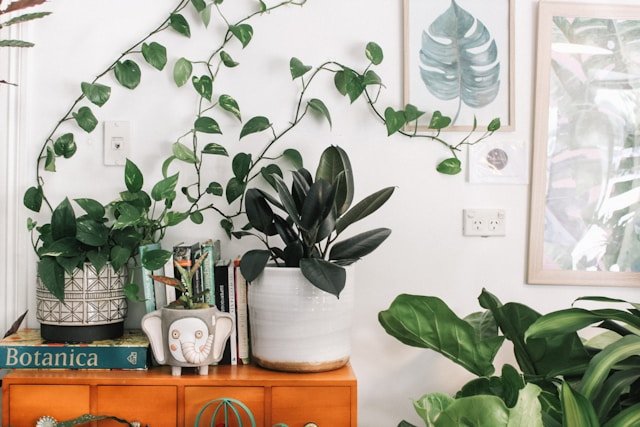
Just because the temperatures are dropping doesn’t mean your green friends have to suffer. There’s something so comforting about nurturing a thriving indoor garden while snowflakes dance outside your window. But here’s the thing – your plants feel the seasonal shift just as much as you do, and they need a little extra TLC to stay happy through the colder months.
Winterizing your indoor plants isn’t complicated, but it does require some thoughtful adjustments. Think of it as creating a cozy sanctuary for your leafy companions. With just a few simple changes to your plant care routine, you’ll be amazed at how well your green family can thrive through winter. Ready to become your plants’ winter wellness coach?
When Should You Start Winterizing Indoor Plants?
Start winterizing your houseplants when indoor temperatures consistently drop below 70°F (21°C) and outdoor temperatures reach 50°F (10°C) or lower. This typically happens in early fall, but timing varies by location.
Best timing by climate:
- Temperate climates: September-October when heating systems start
- Tropical/subtropical regions: November-December when temperatures drop to 60-65°F (15-18°C)
- Cold climates: Late August-September when temperatures fall below 60°F (15°C)
- Southern hemisphere: March-April (your autumn season)
Understanding Why Plants Need Winter Care
Indoor plants face unique challenges during cooler months, regardless of your location. Even in mild climates, seasonal changes affect plant health.
The main seasonal stressors include:
- Reduced natural light (shorter days, weaker sun intensity)
- Dry indoor air from heating systems or air conditioning
- Temperature fluctuations between day and night (often 10-15°F/5-8°C difference)
- Slower growth patterns when temperatures drop below 65°F (18°C)
Climate-specific considerations:
- Cold climates (below 32°F/0°C outdoors): Focus on dry air and low light
- Mild climates (40-60°F/4-15°C outdoors): Watch for temperature swings and reduced humidity
- Tropical climates (above 60°F/15°C year-round): Air conditioning creates dry conditions similar to heating
Your plants aren’t being dramatic – they’re genuinely adapting to a completely different environment, even if your climate stays relatively warm.
What Are the Signs Your Plants Need Winter Care?
Watch for these common indicators that your plants are struggling with seasonal changes:
Visual cues to look for:
- Brown or crispy leaf edges (low humidity)
- Yellowing leaves that drop off (overwatering or temperature stress)
- Slow or no new growth (normal winter dormancy)
- Pale or stretching growth (insufficient light)
Catching these signs early makes winterizing much more effective.
Step 1: Relocate for Better Light
Light is your plants’ food source, and cooler months serve up some pretty meager portions. Most indoor plants need to move closer to windows during this time.
Here’s how to optimize light placement:
- Move plants to south-facing windows when possible (north-facing in the Southern Hemisphere)
- Rotate plants weekly so all sides get equal light exposure
- Clean windows inside and out (you’d be surprised how much this helps!)
- Consider grouping plants together near your brightest windows
Seasonal light considerations:
- High latitudes (above 45°): May need grow lights due to very short days
- Mid latitudes (25-45°): Window relocation usually sufficient
- Low latitudes (below 25°): Focus more on humidity than light changes
Pro tip: If your plants start getting leggy or pale, they’re basically saying “feed me more light!” Don’t ignore their subtle hints.
Step 2: Adjust Your Watering Schedule
This might be the trickiest part of winterizing plants. Your watering routine that worked beautifully in summer? It’s probably too much now.
Winter watering wisdom:
- Check soil moisture before watering (stick your finger about an inch deep)
- Water less frequently but maintain the same amount when you do water
- Allow soil to dry out more between waterings
- Water in the morning so plants can absorb moisture during daylight hours
Most plant casualties in winter happen because of overwatering, not neglect. When in doubt, wait another day or two.
Step 3: Boost Humidity Levels
Cooler season air can be drier than a desert, and your tropical plants are definitely feeling it. Brown leaf tips and crispy edges are their way of asking for more moisture in the air.
Seasonal humidity challenges:
- Heated homes: Indoor humidity drops to 10-20% (plants prefer 40-60%)
- Air-conditioned spaces: Similar drying effects in warm climates
- Temperature swings: Rapid changes between 60-80°F (15-27°C) stress plants
Easy humidity boosters:
- Place small bowls of water near plants (decorative ones work great)
- Group plants together to create a microclimate
- Use a humidifier in your plant room (aim for 40-50% humidity)
- Mist air around plants (not directly on leaves) with a spray bottle
The goal is 40-60% humidity for most houseplants. Your skin will thank you for the extra moisture too!
Step 4: Pause the Fertilizer
Here’s something that surprises many plant parents: cooler months are not the time for feeding. Most indoor plants go into a semi-dormant state when temperatures consistently stay below 70°F (21°C).
Fertilizing guidelines by climate:
- Cold climates: Stop fertilizing October-February
- Mild climates: Reduce to monthly light feeding November-January
- Tropical climates: Continue very light feeding (quarter strength) year-round
- Southern Hemisphere: Adjust timing to your autumn/winter months (March-August)
Temperature-based feeding:
- Above 70°F (21°C): Normal feeding schedule
- 60-70°F (15-21°C): Reduce feeding by half
- Below 60°F (15°C): Stop fertilizing completely
Think of it as letting your plants have a peaceful seasonal nap instead of trying to wake them up with plant food.
Step 5: Monitor for Pests
Dry winter air and stressed plants create the perfect storm for pest problems. Spider mites especially love the low-humidity environment.
Keep an eye out for:
- Tiny webs on leaves (spider mites)
- Small flying insects (fungus gnats from overwatering)
- Sticky honeydew on leaves (scale or aphids)
Prevention is key: Keep leaves clean with a damp cloth, maintain proper humidity, and check plants weekly during your regular care routine.
Which Plants Need the Most Winter Care?
Different houseplants have varying winter needs. Here’s a quick reference:
High-maintenance winter plants:
- Fiddle leaf figs (sensitive to temperature changes)
- Boston ferns (need consistent humidity)
- Tropical plants like monstera and pothos
Low-maintenance winter plants:
- Snake plants (tolerate dry conditions)
- Succulents and cacti (prefer winter dormancy)
- ZZ plants (handle low light well)
Flowering plants like African violets may stop blooming entirely – that’s completely normal and healthy.
How Often Should You Water Plants in Winter?
Most plants need water 25-50% less frequently during cooler months compared to their growing season. The exact frequency depends on your indoor temperature and humidity levels.
General watering schedule by temperature:
- Indoor temp above 70°F (21°C): Water as normal, just check soil more often
- Indoor temp 60-70°F (15-21°C): Reduce watering by 25-40%
- Indoor temp below 60°F (15°C): Water only when soil is quite dry
Plant-specific schedules:
- Succulents: Every 3-4 weeks (every 2-3 weeks in warm climates)
- Tropical plants: Every 1-2 weeks (weekly in heated homes)
- Ferns: Weekly, but less volume
- Flowering plants: When top inch of soil is dry
The key is checking soil moisture rather than following a strict schedule. Cooler soil takes longer to dry out, regardless of your climate.
Creating Your Winter Plant Care Routine
Start your winterizing process in early fall, before you turn the heat on. This gives plants time to adjust gradually rather than shocking them with sudden changes.
Your new winter checklist:
- Weekly: Check soil moisture, rotate plants, look for pests
- Monthly: Clean leaves, assess plant placement, check humidity levels
- As needed: Adjust watering schedule, move plants for better light
Wrapping Up Your Winter Plant Journey
Winterizing your indoor plants is really about slowing down and paying attention. Your plants are resilient – they just need you to adjust your care routine to match their winter needs.
Start with one or two changes this week. Maybe move that fiddle leaf fig closer to the window, or set up a small humidifier near your plant collection. Small adjustments make a big difference in plant happiness.
Which winter plant care tip are you most excited to try? Your green friends are counting on you to help them thrive through the cozy months ahead!